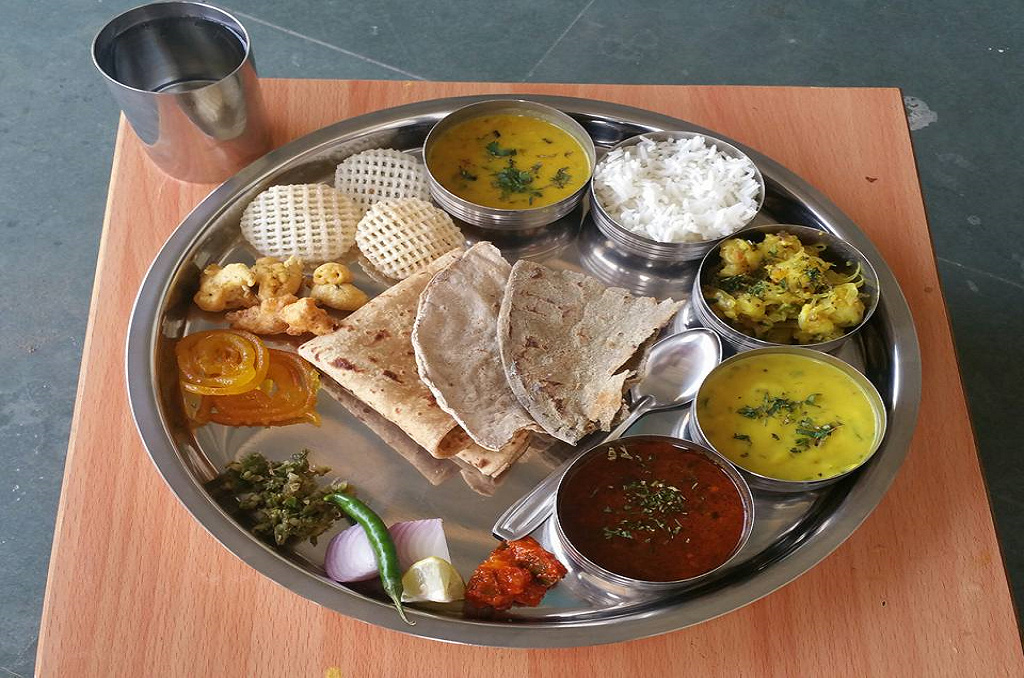
MAHARASHTRIAN THALI.
MAHARASHTRIAN THALI.
Maharashtra Food Culture: Maharashtra is one of the progressive states in India and is also becoming one of the booming regions in the global economy. The state has maintained its distinct identity in many fields like clothes, sports, language, and most importantly in food. The food legacy of Maharashtrian cuisine has developed from its glorious past and continues to evolve. A typical Maharashtrian Special Thali in Aurangabad consists of the following food items.
1. Grains: The staple dishes of Maharashtrian cuisine are based on a variety of flat breads and rice. The flat breads can be wheat-based, such as the traditional trigonal Ghadichi Poli or the round chapati more common in urban areas. Bhakri is a bread made from Ragi or millet, including Jwari and Bajri, and forms part of daily meals in rural areas.
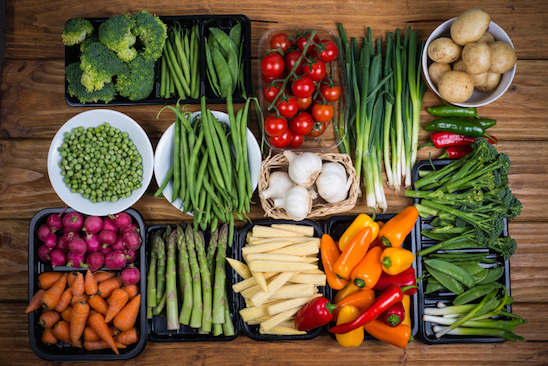
2. Vegetables: Until recently, canned or frozen food was not widely available in Maharashtra and the rest of India. Therefore, vegetables used in a meal widely depended on seasonal availability. For example, spring (March–May) is the season of cabbage, onions, potatoes, okra, Guar, Tondali, Shevgyachya Shenga, Dudhi, Marrow, and Padwal. The rainy monsoon season (June–September) brings green leafy vegetables such as Aloo, gourds like Karle and Dodka, and eggplant. Chili peppers, carrots, tomatoes, cauliflower, French beans, peas, etc., become available in the cooler climate from October to February. Leafy vegetables like Fenugreek, Amaranth, Beetroot, Radish, Dill, Colocasia, Spinach, Ambadi, Chuka, Chakwat, Kardai, and Tandulja are either cooked in a stir-fry fashion or made into a soup-type preparation using buttermilk and gram flour. Many vegetables are also used in salad preparations called Koshimbirs or Raita. Most of these have yogurt as the other main ingredient.
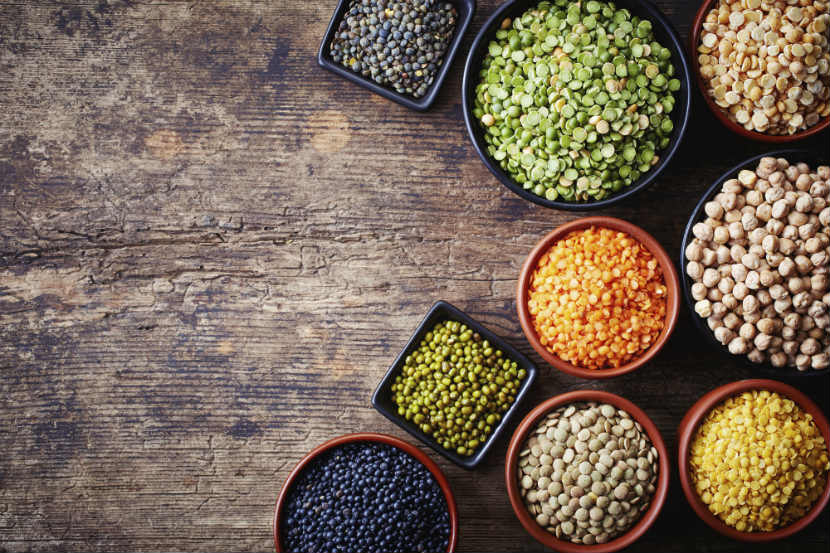
3. Legumes: Along with green vegetables, another class of foodstuff popular in Maharashtra is various beans, either whole or split. The split beans are called Dal and are used in a variety of ways, such as turned into Amti or thin soup, added to vegetables such as Dudhi, or cooked with rice to make Khichadi. The beans commonly used in Maharashtra include peas, chickpeas, Mung, Matki, Urid kidney bean, Black-eyed pea (black eye bean), Hulga or Kulith, and Toor (Pigeon peas).
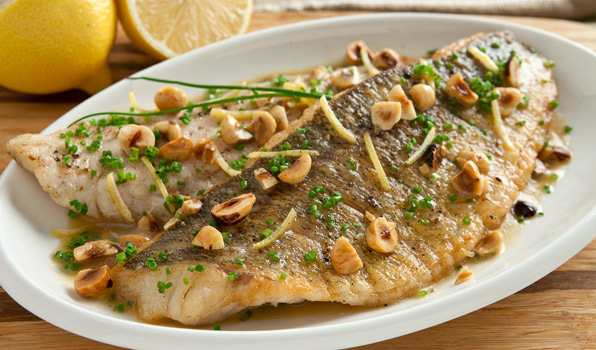
4. Seafood: Seafood is a staple for many communities that hail from the coastal Konkan region. Most of the recipes are based on different varieties of marine fish, prawns, and crabs. A distinct Malvani cuisine of mainly seafood dishes is especially popular. Popular fish varieties include Bombay Duck, Pomfret, Bangda, and Surmai/Kingfish. Seafood is commonly used in recipes such as curries, pan-fried dishes, and pilaf.
Typical Menus: Urban Maharashtrian menus generally include wheat and rice in the form of chapatis and plain rice as the main part of the meal, whereas traditional rural households prefer millet in the form of Bhakri on the Deccan plains of Maharashtra and rice in the coastal Konkan region as staple food. Typical Maharashtrian breakfast items include Misal, Pohe, Upma, Sheera, Sabudana Khichadi, and Thalipeeth.
Contemporary Vegetarian Lunch and Dinner Plate: The modern vegetarian lunch and dinner plate in urban areas usually contains a combination of the following food items.
1. Wheat flat bread such as Chapati or Ghadichi Poli along with boiled rice.
2. A salad or Koshimbir based on onions, tomatoes, cucumber, etc., along with Papadum or related snacks.
3. A dry or fresh chutney with mango or lemon pickles.
4. A soup-type Aamti or Varan preparation based on Toor Dal, other dals, or Kadhi. When Usal is part of the menu, the Aamti may be omitted.
5. A vegetable preparation with gravy based on seasonal vegetables such as eggplants, okra, potatoes, cauliflower, etc.
6. A dry vegetable preparation mainly based on leafy vegetables such as spinach.
7. Usal based on sprouted or unsprouted whole legumes.